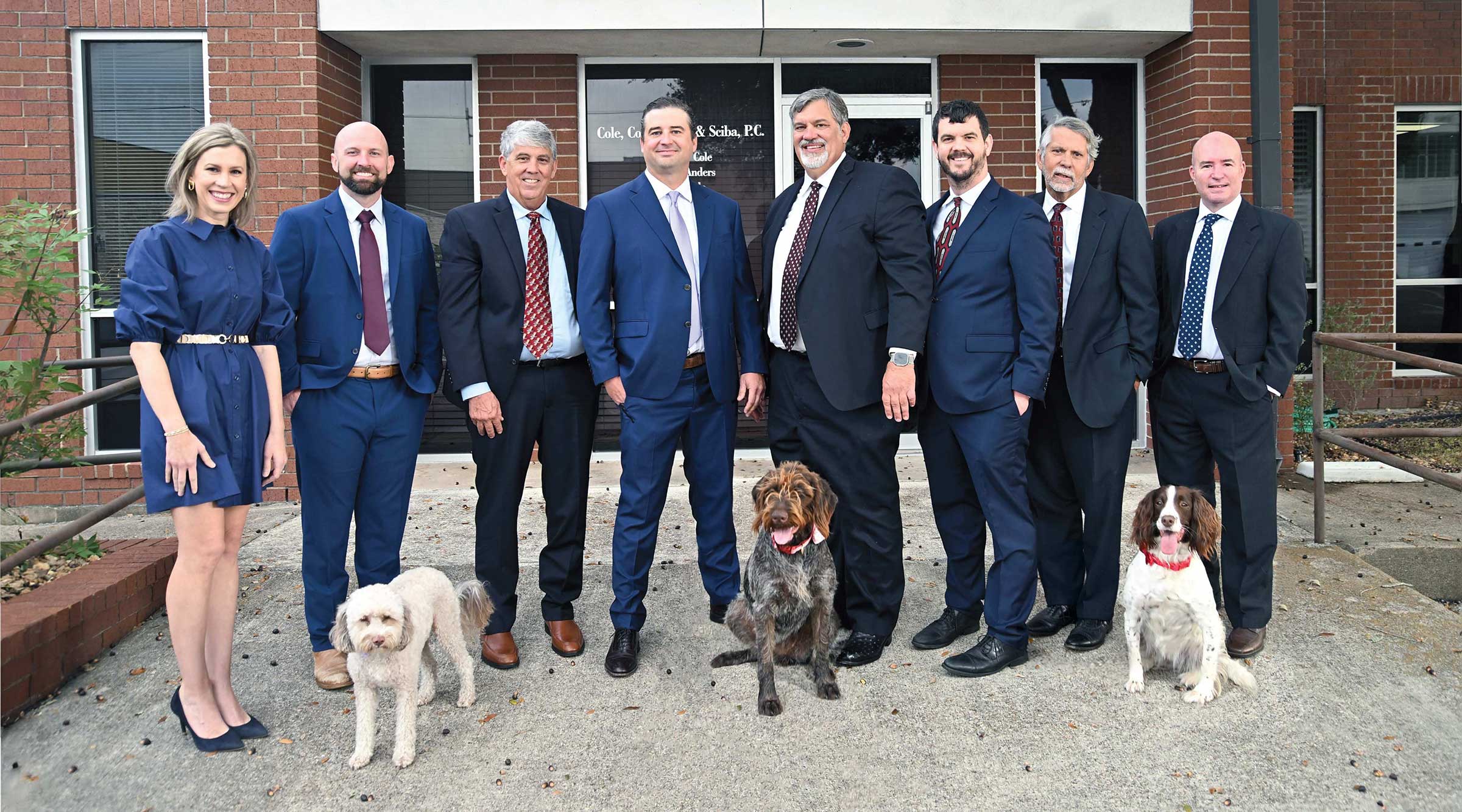
Cole, Cole, Easley and Sciba Trial Attorneys can help you and your family through the aftermath of a fatal oilfield accident in Victoria. Everybody knows that working in an oilfield brings serious risks. Even with safety rules in place, accidents still happen—and sometimes, tragically, they’re fatal. It’s something nobody wants to face, but when it does happen, our team can explain the process and guide you or your family through it. Set up a free consultation today.
When a Lawyer Makes Sense After a Fatal Oilfield Accident
It might surprise you, but there’s no rule in place that says you and your family have to get a lawyer when there’s a fatal accident in an oilfield. But what isn’t surprising is that these cases are rarely simple—and when you’re facing grief and loss, everything becomes harder. That’s usually when a lawyer starts to make more sense. Our team can step in and help you by:
- Gathering the facts about what happened
- Talking to people who were there
- Dealing with the oil company and their insurance providers
- Keeping everything on track while you and your family focus on each other
Having someone who knows the process inside and out doesn’t just help your case—it gives your family the space to grieve, lean on each other, and focus on moving forward instead of paperwork. And while we’ll be with you throughout the process, it’s especially helpful in the beginning.
Information That Can Help After a Fatal Oilfield Accident
Thinking about getting information after a fatal accident can feel impossible. Grief is overwhelming, and looking at the details is the last thing you want to deal with. At the same time, though, there are certain pieces of information that can help you and your family after you lose somebody in a fatal accident in an oilfield:
- Death certificate or medical examiner’s records. They’re hard to look at, but these documents can help officially pinpoint when your loved one died and the cause of death.
- Accident reports. Police reports, workplace incident reports, OSHA records, and other reports from the oilfield can provide an initial explanation of what happened.
- Medical records. Emergency treatment records, hospital records, and other medical information can help connect your loved one’s injuries to the oilfield accident and show how those injuries led to their death.
- Witness statements. Co-workers, supervisors, contractors, or others who were nearby may have seen or heard things that never made it into the initial report.
- Pictures and videos. Security footage, cellphone videos, photos of the oilfield, and pictures of the equipment or work area can all become important when figuring out what went wrong.
- Other employment and financial records. Pay stubs, employment records, benefits information, and other financial documents can help show what your loved one earned, what benefits they had, and the financial support they provided to your family.
If you like most families, you’re not going to have all of these things neatly organized in a folder. And honestly, you shouldn’t be expected to. That’s a big part of our job, but it’s only part of the equation. The other is figuring out what actually happened—not just what the company said happened.
How Accidents Turn Fatal in an Oilfield
Anyone that works in an oilfield or has a loved one that works in one knows how demanding and tough it is. Injuries happen every day, but that doesn’t mean that accidents won’t turn fatal when there’s:
- A fall from a rig, platform, ladder, or other elevated area.
- Something falling and hitting a worker, whether it’s equipment, pipes, tools, or other materials.
- A crushing accident involving heavy machinery, vehicles, pipes, or other equipment.
- A fire or explosion that happens because of a leak, equipment failure, or something catching fire.
- An electrical accident involving power lines, damaged wiring, or other electrical equipment.
- Equipment that fails when a crane, pump, drill, vehicle, or other machinery suddenly stops working the way it should.
- A vehicle accident involving a truck, tanker, service vehicle, or other large vehicle.
Even though companies and governments put safety measures in place, they can only go so far in this line of work. That doesn’t make the aftermath any easier to deal with, but it can point you in the direction of who might be responsible.
Who’s Legally Responsible for a Fatal Accident at an Oil Field?
Unfortunately, even if you have a good idea of what led up to your loved one’s fatal accident in the oilfield, that doesn’t necessarily make it easy to untangle responsibility. And with a fatal accident, the stakes are higher, which makes information harder to come by.
At a basic level, though, it’s still about showing one thing: negligence. Some accidents are just that, but most of the time, legal responsibility means showing that:
- Someone did something—or failed to do something—that caused the accident in question, and your loved one’s fatal injuries.
That seemingly narrows it down a bit, but again, there’s a lot of moving parts in a typical oilfield. With that, legal responsibility could land on:
- The company that owns or operates the oilfield may be responsible if it failed to enforce basic safety rules or keep the worksite reasonably safe.
- Site supervisors and managers may share responsibility if they pushed workers to cut corners, skip safety steps, or rush through a job to meet a deadline.
- Another company working at the site may be responsible if its workers did something reckless or dangerous that led to the fatal accident.
- Equipment manufacturers or suppliers may be responsible if they provided defective equipment, a faulty valve, a broken cable, or another dangerous product.
- Maintenance companies may be responsible if they failed to properly inspect, service, or repair equipment before it was put back into the field.
This sounds straightforward, but remember, there’s not always just one responsible person or group. In an oilfield accident, it’s usually spread around. That can make the situation more complicated, but it can also mean there are multiple sources of financial help in a wrongful death claim.
How a Wrongful Death Claim Works After a Fatal Oilfield Accident
Losing someone in an oil field accident is devastating. Along with the shock and grief, your family is left with very real legal and financial questions. But that’s exactly where a wrongful death claim comes in. It’s like a regular injury claim, except there’s a key difference: it’s filed on behalf of you and the rest of your surviving family members to address what you’ve all lost.
In Texas, only certain people can actually file it—usually a spouse, child, or personal representative. But once that’s figured out, the claim can move forward through either:
- An insurance claim outside of court
- A wrongful death lawsuit
The other key difference is what the claim covers. Unlike a normal accident claim, a wrongful death claim isn’t just about treating injuries—it’s about the losses your family has gone through. That can mean:
- Medical and funeral expenses
- Loss of the financial support your loved one provided
- Loss of companionship and emotional support
- Loss of household services
- Loss of parental guidance and support
- Mental anguish and emotional distress
There’s another important issue here: timing matters. Texas generally gives families two years from the date of death to bring a wrongful death lawsuit. Waiting too long can prevent your family from moving forward with a claim. And while this kind of claim won’t bring your loved one back, it will make moving forward a bit easier.
Frequently Asked Questions
What if the oil company says the accident was just an accident?
That doesn’t necessarily mean your family has no claim. There may still be questions about unsafe conditions, faulty equipment, poor training, or other problems that contributed to what happened. We can look at the facts and help you understand your options.
Can I file a claim if my loved one was working for a contractor?
Usually you can. Oilfields often have several companies and contractors working at the same site, so figuring out who may be responsible can take some digging. But even still, every company that operates there has a level of responsibility when it comes to the safety of the workers.
What if the accident involved faulty equipment?
That could be important. If a piece of equipment failed because it was defective, poorly maintained, or improperly repaired, there may be another company that could be held responsible. We can help look into the equipment and what happened before the accident.
Legal Support for Families After a Fatal Oil Field Accident in Victoria, TX
Oilfields around Victoria and South Texas can be dangerous places, but when your loved one is killed on the job, it doesn’t make things any easier. Your family is still left searching for answers.
Our Victoria wrongful death team at Cole, Cole, Easley and Sciba Trial Attorneys can help your family through the process after a fatal oil field accident—explaining wrongful death claims, gathering evidence, and dealing with insurance companies—so you can focus on each other. Set up a free consultation to get the process started.