
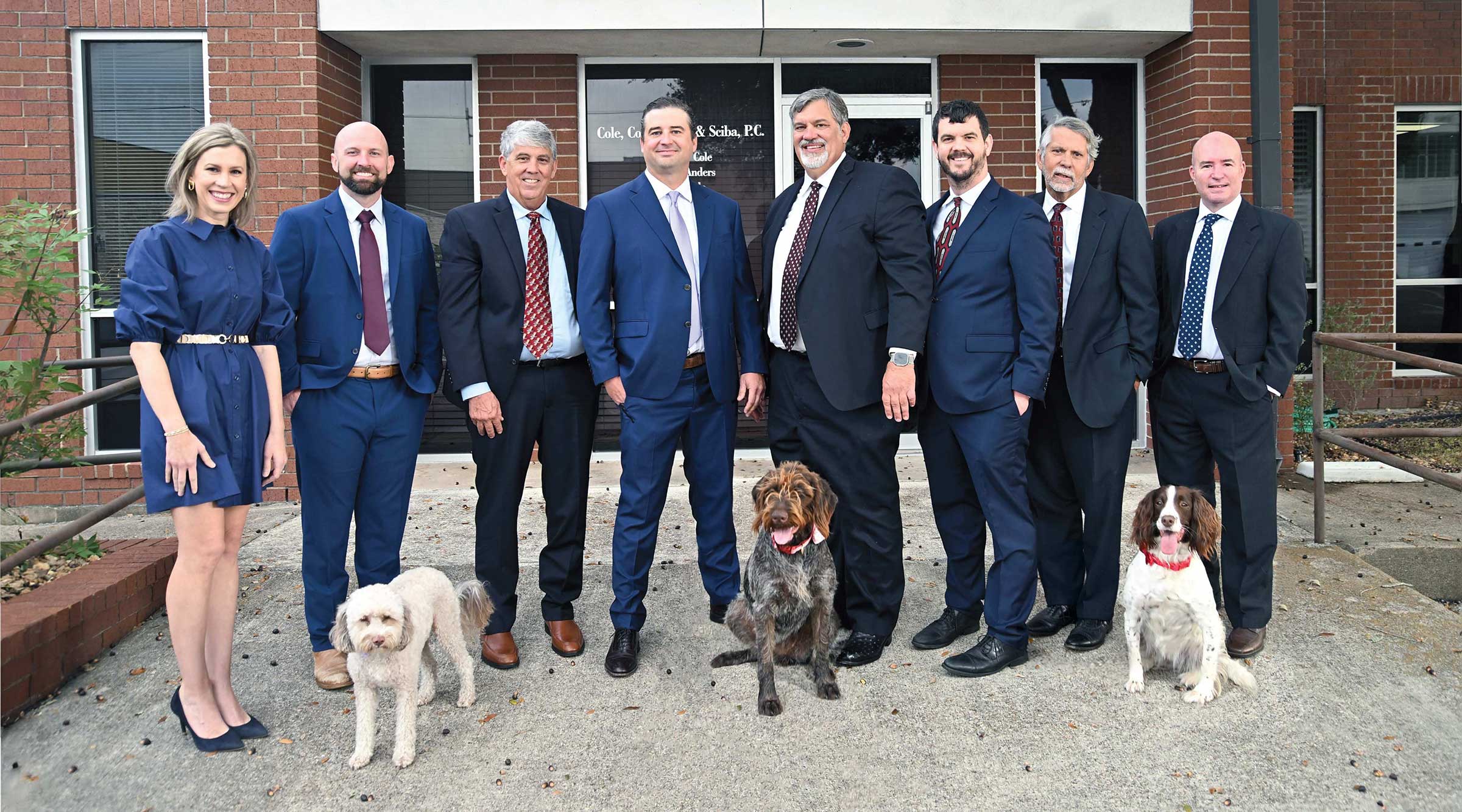
Cole, Cole, Easley and Sciba Trial Attorneys help people that have been injured in oilfield accidents in both Victoria and around Texas. Oilfield work is plentiful here, as evidenced by the large number of companies and producers that operate around the Eagle Ford Shale region. When you’re hurt in an accident in one of their fields, it feels isolating and scary. Our team will be there by your side. Set up a free consultation today.
Does Getting a Lawyer Make Sense For Me?
Working in an oilfield can be dangerous even when everyone is doing what they’re supposed to do. But sometimes, an accident happens because someone didn’t. That’s especially true around the Eagle Ford Shale, where multiple companies can be working at the same site.
What that does is make things more complicated, and when you’re in that position, getting a lawyer starts to make more sense. That’s where our team at Cole, Cole, Easley and Sciba can help you by:
- Explaining your rights and the options that may apply to your situation
- Looking into what happened and why
- Gathering safety records, maintenance records, incident reports, and other information
- Figuring out which companies or people may have played a role in the accident
- Handling communication with insurance companies and other parties involved
- Helping you understand your claim and what comes next
The point isn’t to make things harder for you than they already are. It’s to make sure you’re not left trying to figure everything out while you’re also dealing with an injury, medical bills, and time away from work. And part of that starts with getting the right information.
Information That Can Help a Potential Claim
In terms of accidents and injuries, there’s nothing inherently unique about a company that operates an oilfield in the Eagle Ford Shale. The same risks are there just like they are with other companies and other operators.
Where things start to differ is in the details of how your accident happened—and what led up to it. So that’s what you’re looking for when you start the process of gathering information. Here’s what can really help you after you’ve reported the accident to someone in charge and gotten medical care:
- Pictures/videos of the scene with as much detail as you can
- Names and contact information for coworkers, supervisors, contractors, or anyone else who saw what happened
That’s usually enough to get the ball rolling, and from that point, it’s more about taking care of your health. In the days/weeks after, though, it’s important to keep track of information like:
- A timeline of when the accident happened, what you were doing, what went wrong, and who was around
- Medical records that outline your injuries and treatment
- Further pictures or videos of the jobsite, equipment, unsafe conditions, or your injuries
- Pay stubs, timesheets, schedules, and other records showing the work you’ve missed
- Notes about how something wasn’t right before the accident—like damaged equipment, a missing guard, a leak, poor lighting, or another known hazard
- Texts, emails, or other messages with your supervisor, employer, or anyone else about what happened or how the accident was handled
You don’t need to have all of this before talking with us. You may not even know what information is important yet. We can help look for things you don’t have access to, including incident reports, safety records, maintenance records, inspection records, surveillance footage, and other company documents. The idea is to try to piece together what happened. Once you have that, it’s easier to know where to look in terms of responsibility.
How Do I Know Who’s Responsible for My Injuries?
This can be one of the more complicated parts of an oilfield accident. There’s contractors and subcontractors working there, sometimes with you directly. Then there’s all the other people working there. Basically, there’s a lot of moving parts. So who is responsible for your injuries? It depends on what happened.
Legally speaking, it still comes down to negligence. In simple terms, that means someone failed to take reasonable steps to keep you safe, and that failure led directly to your accident or injuries. As you might expect, that could place responsibility on:
- Your employer, if it failed to address a known hazard, properly train workers, maintain equipment, or provide a reasonably safe workplace.
- A drilling or production company, if it was responsible for the jobsite or operations and failed to address a dangerous condition.
- A contractor or subcontractor, if something that company did—or failed to do—contributed to the accident.
- An equipment manufacturer, if defective equipment or a faulty part played a role.
- A maintenance company, if equipment wasn’t properly inspected, repaired, or maintained.
- A trucking or transportation company, if a vehicle or driver contributed to the accident.
- A supervisor or another worker, if their actions or failure to act contributed to what happened.
Again, responsibility isn’t always on one fixed person or group. It depends on the details of what actually caused your injuries. And more to the point, it’s also the starting point of going forward with a claim.
What Are My Options After an Oilfield Injury?
The Eagle Ford Shale brings a lot of oilfield activity to South Texas through companies like:
- EOG Resources
- ConocoPhillips
- Devon Energy
- BPX Energy
- Marathon Oil
- Magnolia Oil & Gas
- Crescent Energy
These are pretty big companies, but there’s smaller contractors and subcontractors, too. And while you have options, being on the job changes the equation a bit.
Texas is different from most states when it comes to workers’ compensation. Most private employers aren’t required to carry workers’ compensation insurance. They can choose whether to participate in the state’s workers’ compensation system. An employer that doesn’t carry Texas workers’ compensation coverage is called a non-subscriber.
That can matter if you’re hurt working in or around the Eagle Ford. Your employer may carry traditional workers’ compensation coverage, or it may be a non-subscriber with its own private plan where you can file a claim and get benefits like:
- Medical treatment related to your injury.
- Part of your lost income.
- Certain disability benefits, depending on your injury and circumstances.
But again, workers’ comp might not be an option for you. At that point, you’re looking at a regular injury claim where you can either:
- File an insurance claim outside of court
- File a personal injury lawsuit
Such a claim requires you showing negligence, but it also gives you the ability to recover fuller “damages” like:
- Current and future medical expenses
- Current lost income or a loss of earning potential in the future
- Repair/replacement costs for damaged property
- Pain and suffering
- Emotional distress
- Reduced quality of life
- Wrongful death expenses in fatal accidents (through a wrongful death claim)
The bottom line is that you may have more than one option after an oilfield accident. It depends on what happened, what kind of coverage your employer has, and whether someone else’s negligence played a role. And that brings different deadlines and requirements. That’s overwhelming for a lot of people, but with our team, you don’t have to go through the process alone or try to guess what to do.
Eagle Ford Oilfield Accident Victims in Victoria, TX Can Turn to Cole, Cole, Easley and Sciba
When you’re dealing with an oilfield injury in or around the Eagle Ford Shale area, the last thing you need is more paperwork, questions from your employer, or pushback from an insurance company.
Our Victoria oilfield accident lawyers at Cole, Cole, Easley and Sciba Trial Attorneys can explain your options in plain language, help figure out what caused the accident, and gather the information you need to support your claim. Set up a free consultation today.