

Cole, Cole, Easley and Sciba Trial Attorneys can help you when you’re injured in a car accident in Victoria. There’s a lot of problems that come with a car accident, but the most pressing are your injuries. That’s when you’ll probably find yourself at a hospital or trauma center in the area. Our team can help you understand how that factors into your claim. Set up a free consultation today.
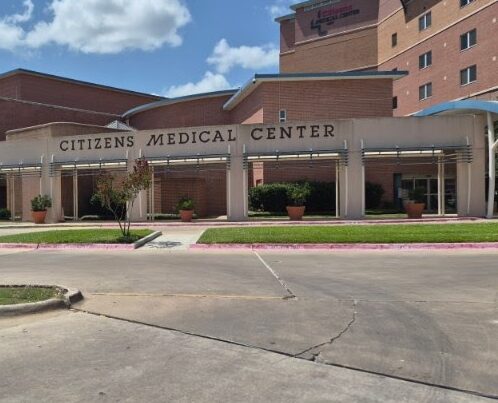
What Trauma Center Will I Go to After a Car Accident in Victoria County?
What happens right after a car accident isn’t always the same for everyone. Hopefully, your injuries are such that you’re under your own power and can take yourself to the nearest hospital or urgent care.
With that said, everybody responds to a collision differently, and as such, where you’re taken depends on your particular injuries and needs. So after you call 911 and an ambulance comes, they’ll assess how hurt you are and where you’ll go. In Victoria County, that usually means you end up at:
- Citizens Medical Center. A Level III trauma center that provides emergency care and treatment for serious injuries.
- DeTar Hospital Navarro. A Level III trauma center with emergency and specialized trauma services.
- DeTar Hospital North. A Level IV trauma center that provides emergency care and can coordinate transfers when more specialized treatment is needed.
As you can see, these hospitals don’t all provide the same level of care. And because of that, it’s helpful to look at how these different trauma centers are categorized:
- Level IV trauma centers provide initial emergency care and stabilize your injuries before arranging a transfer if you need additional treatment.
- Level III trauma centers can evaluate and treat serious injuries, but may transfer you if you need more specialized care.
- Level II trauma centers can treat most serious injuries and provide many of the same services as Level I centers.
- Level I trauma centers handle the most serious injuries. They have specialized doctors, surgeons, and trauma teams ready to provide extensive care.
Remember, not every car accident requires an immediate trip to one of these trauma centers. But that also doesn’t mean that you should just ignore getting medical care at all. In fact, doing that can really hurt your claim if you need to go forward because of the information that it provides you
What Information Comes From the Trauma Center After Your Car Accident?
The first day or two after a car accident can feel like a blur. If you’re injured, your main concern is getting medical care and figuring out what happened. But the information you receive at the trauma center, along with a few other details you gather afterward, can make a difference in an injury claim. First and foremost, here’s what you’re going to get from the trauma center:
- Emergency room records. These show when you arrived, what symptoms you reported, and what the medical team found.
- Injury diagnoses. X-rays, scans, and other test results can help document broken bones, head injuries, and other conditions.
- Treatment records. These explain what care you received, including medication, procedures, or other treatment.
- Discharge instructions. These can show what follow-up care you were told to get and any restrictions you were given.
It’s these records and the information in them that’s going to set the baseline for your injuries and how you’ve gone about getting them treated. But that’s only one part of your claim. The rest comes from information like:
- The police accident report, which documents the basic details of the accident and what responding police saw at the scene.
- Video footage that might’ve caught the collision itself, usually from traffic cams, dashcams, or nearby security cameras
- Pictures/videos of vehicle damage, the road, skid marks, and visible injuries can help show what happened.
- Progress pictures of your injuries as they’ve healed or worsened.
- Statements from anyone who saw the accident or helped you after.
- Notes about what you remember while it’s still fresh, including how the accident happened and how you’ve felt since.
- The other driver’s insurance details and any messages or letters you receive from the insurance company.
You may not have everything right away, and that’s okay. A lot of this information only comes together as time passes. But the overall goal is to have enough documentation to show what happened, what injuries you suffered, and how that’s impacted you. In other words, the more information you have, the stronger your claim for financial support is.
What Financial Support Can I Get After My Car Accident?
Pretty much everybody understands the issues that come from injuries in a car accident. Your medical bills are usually one of the first things you have to worry about—and when you have ER visits, follow-up appointments, physical therapy, and medications, those bills can add up quickly.
But that’s not all you’re dealing with. You may also have to miss work, arrange transportation while your vehicle is being repaired, and deal with pain that makes everyday activities harder. That’s why Texas law allows injured people to file an injury claim and recover financial support when someone else’s negligence caused the accident. Generally, you can file your claim by going through
- Insurance outside of court.
- A personal injury lawsuit in civil court.
It’s true that a big part of this financial support comes from your medical expenses, and while an insurance claim is quicker in covering those initial things, it sometimes doesn’t go far enough if you’re more seriously injured. That’s usually the point when a lawsuit comes in. It gives you a chance at fuller financial help relating to your:
- Emergency room visits and hospital bills
- Follow-up treatment and rehabilitation
- Future medical care and ongoing treatment
- Lost wages and reduced earning capacity
- Vehicle repairs or replacement
- Ongoing pain and discomfort
- Emotional distress
- Changes to your daily activities and quality of life
Remember, there’s a deadline here, too. In Texas, you generally have two years from the date of the accident to file a personal injury lawsuit. That’s why it’s important to understand your options early. Waiting too long can affect your ability to recover damages, even when you have a legitimate injury claim.
Cole, Cole, Easley and Sciba Helps People Hurt in Victoria Car Accidents
A car accident doesn’t just leave you dealing with injuries. It can also mean hospital visits, medical bills, missed work, insurance paperwork, and a lot of questions about what happens next. At Cole, Cole, Easley and Sciba Trial Attorneys, our Victoria car accident lawyers can help make that process easier by:
- Going over your rights and what options you have after the accident
- Helping gather the medical records and accident reports that matter
- Showing how your injuries have affected your day-to-day life
- Dealing with the insurance company and its questions
- Filing a personal injury lawsuit if that’s what it takes
Whether you were taken to Citizens Medical Center, DeTar Hospital Navarro, DeTar Hospital North, or another medical facility after your accident, you don’t have to handle everything on your own. Our team can explain where things stand, answer your questions, and help you figure out what to do next. Get in touch today for a free consultation.