
Cole, Cole, Easley and Sciba Trial Attorneys can help you if you’re injured in a maritime accident in Port Lavaca. Maritime work along the Texas Gulf Coast isn’t easy. Between heavy equipment, dangerous machinery, long shifts, and unpredictable conditions on the water, there’s a lot that can go wrong. And when it does, the injuries can be serious. Our team will be there to help explain your options and guide you through everything. Set up a free consultation today.
Does It Make Sense to Get a Lawyer?
Working on or around the water already brings a lot of challenges, and that only increases when you get hurt. All of a sudden, on top of the demanding work you already do, you’re dealing with pain, doctor’s appointments, and questions about how you’re going to pay your bills.
And that’s before your employer or the insurance company starts asking questions. That’s usually when talking to a lawyer makes more sense, and that’s exactly where our team can step in. When we do, we can:
- Explain your rights and what options you have
- Look into what caused your injuries and who all might be responsible
- Get important information and evidence before it disappears
- Handle the back-and-forth with your employer and the insurance company
things harder than they need to be. But our team can help sort through those details so you can spend more time focusing on your recovery.
Common Maritime Work Around Port Lavaca
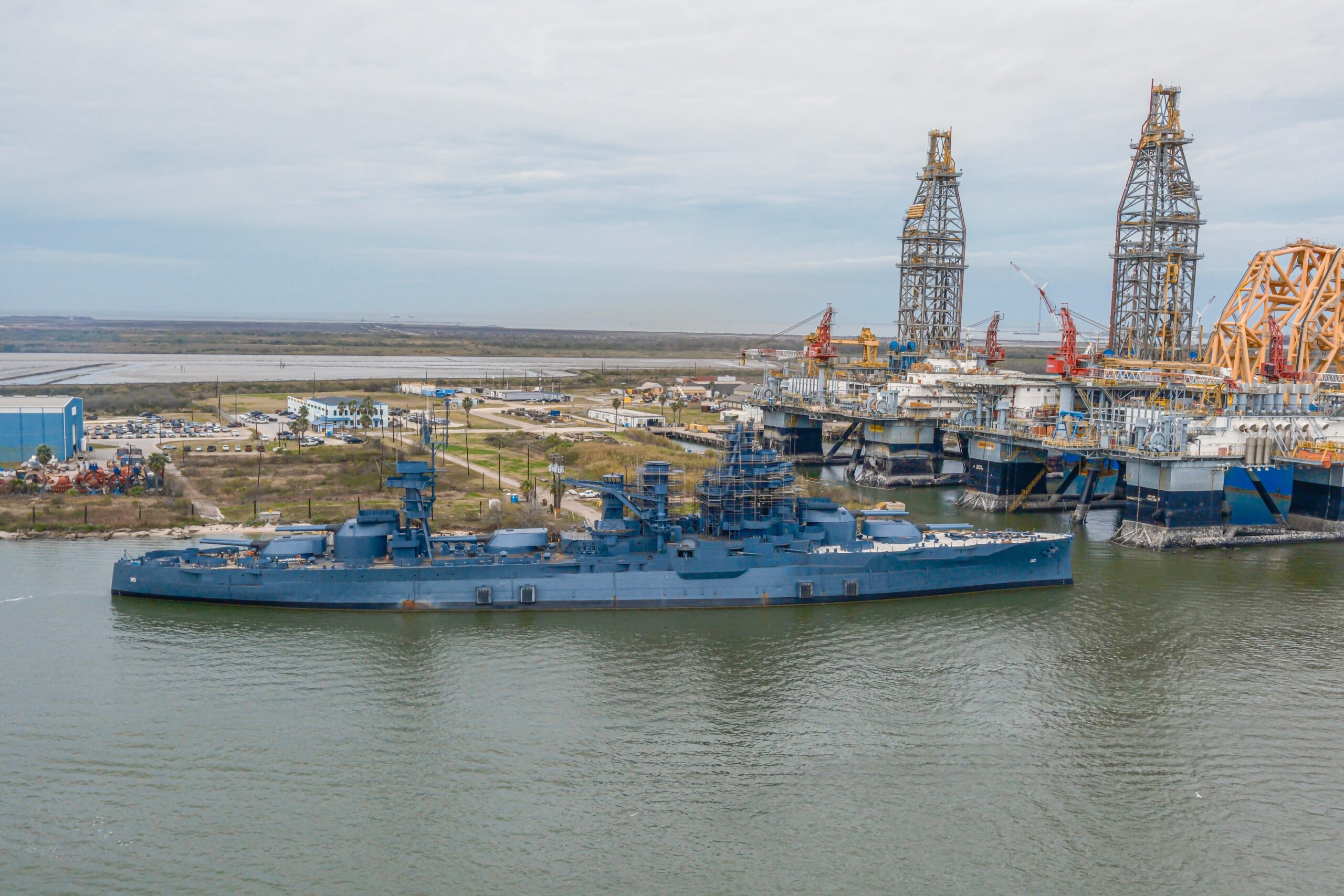
Port Lavaca has a pretty unique connection to the water. Between Matagorda Bay, the Matagorda Ship Channel, and the Port of Port Lavaca-Point Comfort, there’s a lot of commercial and industrial activity happening throughout the area.
That means maritime work isn’t limited to people out on offshore drilling rigs. It also includes people working on:
- Supply vessels and crew boats
- Cargo ships, tankers, and barges
- Tugboats and marine transportation
- Pipeline and offshore construction
- Port and terminal operations
- Marine equipment maintenance and repair
- Cargo handling and vessel support
Of course, all that activity comes with risks. Some of the more common ways maritime workers get hurt include:
- Slipping or falling on wet decks, uneven surfaces, or cluttered walkways.
- Getting struck by tools, equipment, or materials that aren’t secured properly.
- Being involved in collisions with other vessels, platforms, or structures.
- Suffering burns or other injuries in fires and explosions.
- Falling overboard because of unsafe conditions or missing safety equipment.
- Getting hurt by broken machinery, defective tools, or poorly maintained equipment.
- Being exposed to hazardous chemicals, gases, or other dangerous materials.
Obviously, just because this kind of work is dangerous doesn’t mean every accident is unavoidable. In fact, a lot of these injuries happen because someone was careless. That’s important because it brings up bigger questions about responsibility. But before you can answer that, the main focus is getting help and information.
Information That Can Help You After Your Accident
Right after a maritime accident, the last thing you’re probably thinking about is gathering evidence. You’re focused on getting medical attention and making sure you’re safe.
That’s understandable. But the information you can get early on may become important later. The first thing you should do is:
- Report the accident to your supervisor, safety officer, or someone in charge so you can get the medical attention you need. This should also prompt them to stop everything and document your injuries.
This will slow things down a bit, which means it’s a good chance to get a few basics like:
- Pictures/videos of the accident area, damaged equipment, unsafe conditions, and your injuries.
- Details about when and where the accident happened and what you were doing at the time.
- Names and contact information for coworkers who saw what happened or helped afterward.
- Information about the vessel, employer, contractor, or company responsible for the worksite.
For example, instead of just saying you were hurt offshore, try to remember whether you were working on a vessel near Matagorda Bay, moving equipment across a deck, or helping load cargo when something went wrong. Those details can make a difference. And keep in mind that some of the most important information won’t be ready until a few days or weeks later, like:
- Medical records showing your injuries, treatment, and recovery.
- Your company’s incident report that documented the accident.
- Video footage from surveillance or other cameras.
- Pay records showing missed shifts, lost wages, or reduced hours.
- Emails and text messages with supervisors, managers, or company representatives.
- Pictures showing how your injuries have changed or healed.
Obviously, the information you need is going to be pretty specific to you and your accident. But the more you’re able to pull together, the stronger your position will be when you go to file a claim. And it’s important for another reason: figuring out who’s responsible.
How Legal Responsibility Works With Maritime Injuries?
This is one of the biggest questions after a maritime accident, and it’s not always easy to answer. Around Port Lavaca, you can have several different companies working on the same vessel, at the same terminal, or as part of the same offshore operation. That means responsibility isn’t always limited to the company that signs your paycheck.
But at least legally, responsibility comes down to whoever was negligent, and how that negligence caused your accident and injuries. In the context of a maritime injury, that could fall on:
- Companies or employers that:
- Failed to provide reasonably safe working conditions.
- Didn’t properly maintain a vessel, equipment, or machinery.
- Failed to train workers or follow safety procedures.
- Allowed dangerous conditions to remain in place.
- Used defective tools or equipment.
- Didn’t properly coordinate work between different crews or contractors.
Like we’ve covered, it’s not always just on your employer. Negligence can be spread around to anyone else whose negligence contributed to your injuries. Usually, that brings in:
- The owner or operator of the vessel
- The oil and gas company overseeing the operation
- Offshore drilling contractors
- Other contractors or subcontractors
- Companies that made or supplied defective equipment
- Maintenance companies responsible for inspections and repairs
- Transportation companies operating crew boats or supply vessels
Of course, figuring this out can get murky in real life. Different companies may point fingers at one another, and everything really depends on the circumstances. But as an injury victim, your options don’t change. You can file a claim and get financial help. The real question though, is what kind of claim you file.
What Kind of Claim Do I File After a Maritime Injury?
You can already probably figure out that there’s a lot of different ways you could be injured on the water when you work around Port Lavaca. However, the kind of claim you can file really depends on the circumstances. With maritime injuries, one of the biggest factors is the kind of work you do and where you were injured.
Sometimes, you’re working for a company that carries workers’ comp insurance, which lets you file a claim and get benefits like:
- Medical treatment and care for your work injuries
- Benefits to help cover lost income while you can’t work
- Partial benefits if you return to work but earn less because of your injuries.
- Financial support if your injuries leave you with permanent limitations
- Help finding or training for another job if you can’t return to your old one
- Financial benefits for eligible family members if a work injury results in death
In Texas, though, companies and employers can opt out of carrying workers’ compensation insurance, which makes them a “non-subscriber.” If that’s the case, you can still file a personal injury claim as long as you can show that someone else’s negligence led to your injuries. At that point, the claims process works like it would with any other accident, where you can either file:
- An insurance claim outside of court
- A personal injury lawsuit
The goal is getting financial help for your injuries and other losses, which are called your “damages.” Depending on the claim, this may include costs associated with your:
- Current and future medical expenses.
- Lost income or reduced future earning ability.
- Repair/replacement costs for damaged clothing, gear, or equipment
- Pain and suffering
- Emotional distress
- Reduced quality of life
- Wrongful death expenses if the injuries are fatal.
Every maritime accident around Port Lavaca is different, but there’s still one important thing to keep in mind: filing deadlines. Some maritime injury claims have a three-year deadline, while others have different time limits and reporting requirements. Claims involving government-owned vessels or property can have additional rules, too. That may sound like plenty of time, but it can go by quickly when you’re trying to recover, keep up with medical treatment, and figure out who’s responsible. That’s why it’s usually better to look into your options sooner rather than later.
Get Help From Cole, Cole, Easley, and Sciba After a Maritime Injury in Port Lavaca, TX
When you’re dealing with a maritime injury, the last thing you need is more confusion about your rights or what you’re supposed to do next. Between your recovery, your bills, and questions about getting back to work, there’s already enough on your plate.
That’s where our team at Cole, Cole, Easley, and Sciba Trial Attorneys comes in. We’ll help you understand which laws apply to your situation, look into what caused your injuries, and explain what options you have moving forward. Set up a free consultation today to get the process started.