Cole, Cole, Easley and Sciba Trial Attorneys can help you when you’re injured in a truck accident in Victoria. Around here, you see a lot of trucks on your day-to-day commute. That obviously raises the chances that you’ll be in an accident with one, even if you’re at work in one of the many oilfields in the area. That can change how things work, but you still have options we can help you with. Set up a free consultation today.
Why It Helps to Have a Lawyer
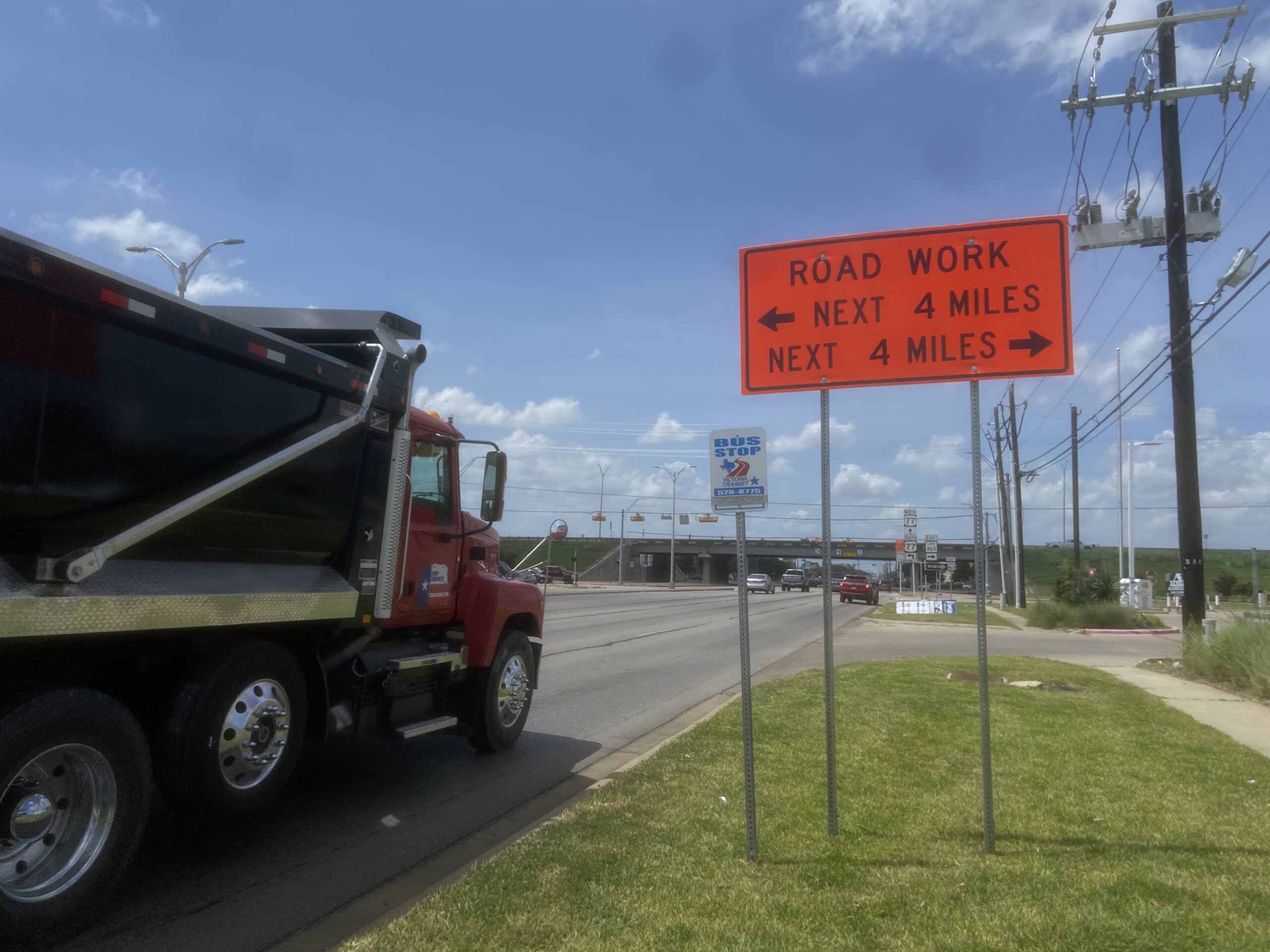
Around Victoria and the surrounding areas, large trucks are a regular part of getting work done in an oilfield. They’re equipment, materials and just about everything else needed to keep the operation running. And while every operation is different, trucks you see here usually include:
- Water trucks making trips to and from drilling sites.
- Tanker trucks hauling crude oil, fuel, and other liquids.
- Flatbeds carrying drilling equipment, pipes, and heavy machinery.
- Vacuum trucks removing wastewater and other materials.
- Frac sand trucks traveling between supply yards and well sites.
That’s also why there are a lot of different things to consider when you’re involved in an accident with one. These trucks are often carrying heavy loads, traveling on narrow oilfield roads, or moving between busy worksites. And when something goes wrong, figuring out what happened isn’t always easy. That’s why it helps to have our team there to help you by:
- Figuring out what the truck was carrying, where it was going, and what the driver was doing before the accident.
- Looking into the trucking company, oilfield operator, and other parties who may have been involved.
- Gathering the available evidence before important records or information disappear.
- Dealing with the insurance companies while you focus on getting better.
The last thing you need after a serious truck accident is more stress and uncertainty. Having our team involved gives you more time to focus on your recovery while we look into what happened.
Information to Look For After an Oilfield Truck Accident
Even though the location is different, many of the same problems that come from truck accidents are still there when it happens to you in an oilfield. There’s usually a lot going on, especially when you’re dealing with heavy loads of equipment, multiple vehicles, and roads that may not be in the best condition.
And while information is especially important with this kind of accident, your priorities remain the same:
- Reporting the accident to someone in charge
- Calling 911
- Getting medical care for your injuries
While you’re waiting (and if you’re able), try to get a few basics like:
- Pictures or videos of the vehicles, road conditions, cargo, debris, skid marks, and your injuries.
- The truck driver’s name, license plate, and insurance information.
- The name of the trucking company, oilfield contractor, or business the driver works for.
- Pictures of any company logos, DOT numbers, truck markings, or identifying information.
- Names and contact information for anyone who saw what happened.
That’s about as much as you should be worrying about at the scene. Listen to the paramedics, answer the officers’ questions, and get the medical care you need. Then, once things start settling down over the next few days and weeks, there’s more information that becomes important, including:
- Medical records and treatment plans
- Hospital bills, prescriptions, and physical therapy expenses
- Towing, rental car, and vehicle repair costs
- Pay stubs or work records showing missed time and lost income.
- Emails and letters from the trucking company or insurance company.
- Notes about your pain, recovery, and how your injuries are affecting everyday life.
There’s also information about the truck itself that can become important—and there’s added significance here because it’s going to be really important in untangling who exactly is responsible. We can help you get:
- Maintenance and inspection records, especially for brakes, tires, and steering
- Driver logs showing how long the driver had been working
- Records showing what the truck was hauling and whether the load was properly secured
- Dispatch records showing where the driver was headed and when
- GPS or tracking information showing where the truck was traveling
- Information about the driver’s training and qualifications
- Dashcam footage or other records showing what happened before the collision
Remember, this last bit of information is going to be in the control of the trucking company or the company you work for. Neither of them will be all that keen to turn them over, but there are laws covering what all they need to keep and how long they have to keep them. That’s not necessarily for you to worry about, but keep in mind that the more information you have, the quicker you can start the claims process.
Who’s Responsible For Damages in an Oilfield Truck Accident?
Oilfield truck accidents usually don’t happen because of one single issue. In fact, it’s often several things coming together at once. Think about it. Drivers are hauling heavy equipment, water, crude oil, and other materials between oilfields, processing facilities, and supply yards. They’re dealing with heavy loads, narrow lease roads, changing road conditions, and pressure to keep operations moving. All of that can lead to bad decisions and dangerous situations, including:
- Limited room for large trucks to maneuver.
- Shifting equipment or materials that affect control.
- Poor road conditions from all the mud, gravel, dust, and standing water.
- Driver fatigue or pressure to make repeated trips on time.
- Blind spots around large trucks and tankers.
When you step back and look at all these factors together, it’s easier to understand why oilfield truck accidents happen. But that doesn’t necessarily get you any closer to responsibility. That doesn’t happen until you can show that:
- Someone did something—or failed to do something—that led directly to the accident and your injuries.
In other words, you’re trying to show negligence on the part of:
- The truck driver for speeding, driving too fast for road conditions, following too closely, or driving distracted or tired.
- The trucking company for failing to train drivers, maintain trucks, or enforce safe driving rules.
- The oilfield operator for allowing unsafe site conditions, poor traffic flow, or dangerous access roads.
- The loading company for overloading the truck or failing to properly secure its cargo.
- Maintenance companies for overlooking problems with brakes, tires, steering, or other important parts.
- Companies for making defective parts or equipment that led to the accident.
- Another driver for causing a collision through careless or reckless driving.
All of these things can come together at the worst possible time and leave you dealing with a serious accident. The important thing is figuring out who had a part in what happened. Once that’s clearer, the next question is what you can actually recover.
What Damages Can You Get in a Victoria Oilfield Truck Accident Claim?
A truck accident that happens to you at work is still a truck accident, meaning it brings all the usual problems but also has the added complexity of it happening to you while you’re on the job.
When that happens, there’s sometimes the possibility that you could file a workers’ financial support claim to get benefits like:
- Medical expenses related to your injuries
- Temporary total disability benefits while your injuries keep you from working
- Temporary partial disability benefits if you return to work for less pay because of your injury
- Permanent partial disability benefits if your injury leaves you with a permanent impairment but you can still work
- Permanent total disability benefits if your injury leaves you permanently unable to work
However, Texas is a bit different than other states in that it doesn’t require companies and employers to have workers’ comp coverage if they don’t want to. That makes them “non-subscribers”, but even if your employer chooses not to carry workers’ comp insurance, you can still file a personal injury claim and get damages through:
- An insurance claim outside of court
- A personal injury lawsuit in civil court
And once you decide which option works best for you, the goal is the financial help you’ll need. It’s based on your:
- Current and future medical expenses
- Lost income and reduced future earning ability
- Repair or replacement costs for your vehicle
- Pain and suffering
- Emotional distress
- Reduced quality of life
- Wrongful death expenses in fatal accidents
Getting hurt in an oilfield truck accident is difficult enough, especially when you’re dealing with serious injuries and questions about who’s responsible. You don’t need more confusion on top of that. Working with our team gives you room to focus on getting better while we handle the legal side of things.
Cole, Cole, Easley and Sciba Can Help You After an Oilfield Truck Accident in Victoria, TX
Whether you’re driving around Victoria, heading toward an oilfield, or traveling along one of the roads used by local oil and gas operations, you’re likely to encounter trucks hauling equipment, water, fuel, and other supplies. And sometimes, those trucks can be involved in serious accidents.
If you’ve been hurt in one of these accidents, our Victoria oilfield truck accident lawyers at Cole, Cole, Easley and Sciba Trial Attorneys can help you figure out what happened, who’s responsible, and what you need to do to move forward with a claim. There’s no obligation to hire us, and you don’t pay anything upfront. Reach out today to set up a free consultation.