

Cole, Cole, Easley and Sciba Trial Attorneys can help you if you work at a Victoria area oil refinery or industrial plant and get injured. Some jobs—like working at an oil refinery or industrial plant—are more dangerous than others. If you’ve been hurt while working at one of these facilities in Victoria, we can help you understand what comes next. Set up a free consultation today.
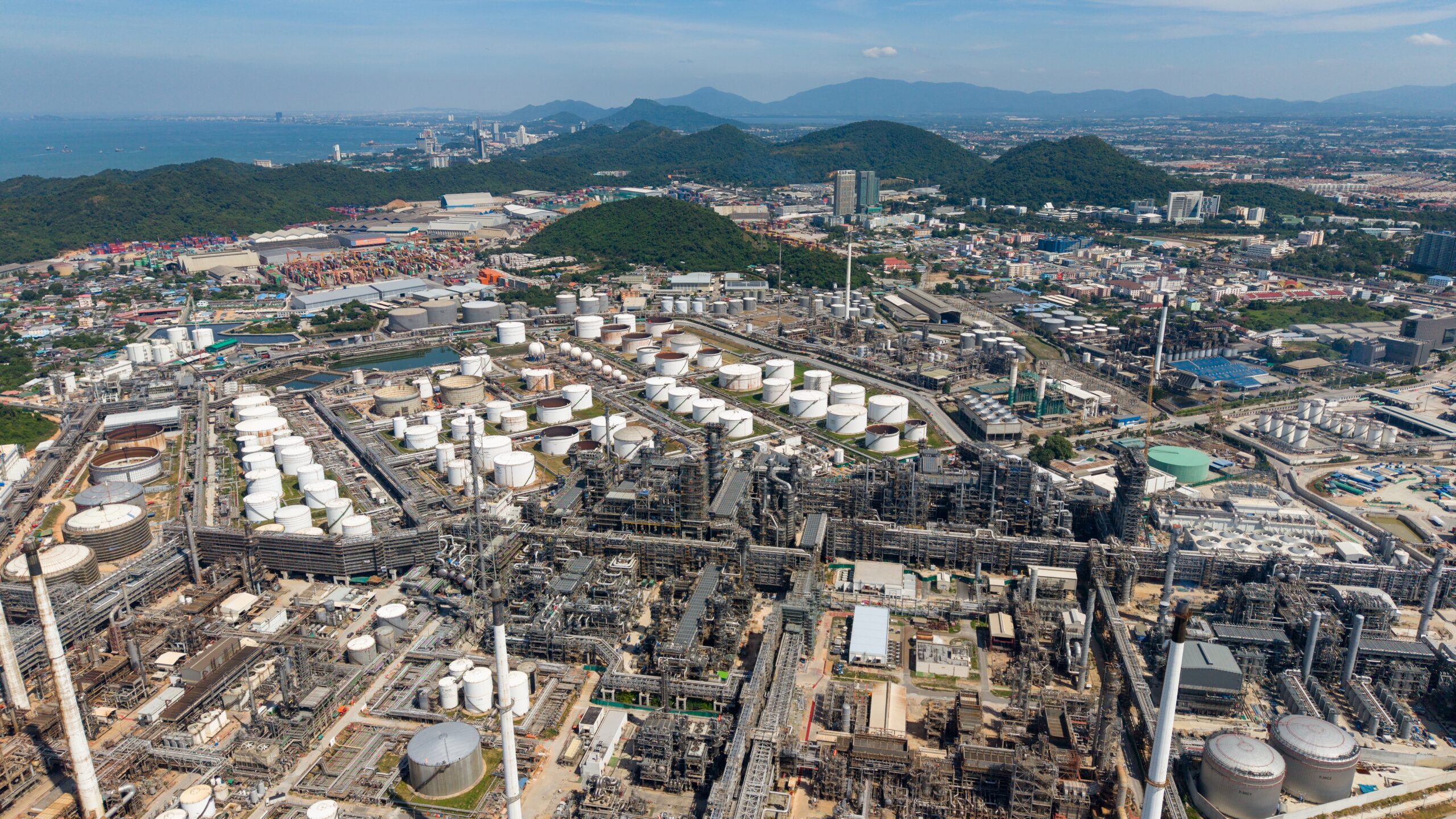
Why It Make Sense to Talk to Our Lawyers After a Plant or Refinery Injury
Oil refineries and industrial plants are some of the more dangerous places to work in Texas. Between heavy machinery, hazardous chemicals, extreme heat, pressurized equipment, and long shifts, there’s a lot that can go wrong.
And when you get hurt, things can get complicated pretty quickly—not just with what’s actually happened to you, but even down to what your options even are. That’s a lot to deal with, so it makes sense to get help from our team of workplace injury lawyers. We can:
- Figure out what caused the accident and who might be responsible.
- Look into the companies and contractors involved.
- Gather safety records, maintenance reports, and witness statements.
- Review insurance coverage and possible injury claims
- Handle the back-and-forth with the insurance companies and your bosses.
When you work at one of these places, you already understand the risks. But that doesn’t mean every accident is just part of the job. More to the point, though, understanding what all can happen to you can help you be better prepared.
What Can Cause Injuries at an Oil Refinery or Industrial Plant?
It’s not really enough to say that working at an industrial plant or oil refinery is dangerous. Everybody understands that. But again, your options aren’t going to be based on the theoretical risks. They’re going to be based on your specific accidents and what your injuries are. In this type of environment, injuries usually come from:
- Breathing in toxic fumes, being caught in a chemical leak, or coming into direct contact with hazardous materials.
- Burns from fires, explosions, or coming into contact with flammable gases and hot materials.
- Getting caught in broken equipment, faulty valves, or machinery that hasn’t been inspected or kept up properly.
- Slipping on unsafe surfaces, falling from platforms, or getting hit by unsecured tools, equipment or materials.
- Coming into contact with exposed wiring, faulty equipment, or live electrical sources.
- Suffering burns, dehydration, or heat exhaustion from working in extremely hot conditions and not being provided with the right equipment or even breaks.
So yes, there are a lot of risks that come with this type of work. But again, it’s not so much a question of what can happen to you. It’s a question of why you were put in that position by your bosses in the first place. That’s what really matters in terms of your options.
What Kind of Claim Do I File After an Oil Refinery Injury?
Getting hurt at work is stressful enough. But when you’re working at an oil refinery or industrial plant, things can get even more complicated because of all the different people involved and how serious your injuries can be. That’s before you even get to your options for filing a claim, which you can do.
However, the kind of claim you can file really depends on the circumstances. In Texas, employers could be what’s called a “non-subscriber”, which means they have opted out of carrying workers’ compensation insurance. That really matters when something happens to you on the job, because it means you can’t file a workers’ comp claim and get benefits under that policy.
But you’re not out of options or stuck if that’s the case. You can still file a personal injury claim by:
- Going through someone’s liability insurance policy.
- Going to court with a personal injury lawsuit.
That’s not all that different from an accident that happens outside of work. The goal is getting financial help for your injuries and other losses—called your “damages.” This usually includes costs associated with your:
- Current and future medical expenses
- Current lost income or a loss of future earnings if you can’t work anymore
- Repair/replacement costs of damaged property
- Pain and suffering
- Emotional distress
- Reduced quality of life
- Wrongful death expenses if the injuries are fatal (filed in a “wrongful death” claim)
Every plant and refinery accident is different, but there’s still a time limit to keep in mind. In Texas, you generally have two years from the date of your accident to file your claim. That sounds like a lot of time, but can dry up quickly as you move to answer the big questions.
How Liability Works in an Oil Refinery or Industrial Plant Accident
One of the biggest questions after an oil refinery or industrial plant accident is figuring out who’s actually responsible. And in this type of environment, that’s not always easy to answer because there’s a lot of moving parts. Your employer might own the building or run the day-to-day operation, but there’s also contractors and subcontractors running around on the floor. Then, you have to think about companies that make the safety gear or tools you were using when the accident happened.
In other words, it’s confusing. But when it comes to the claims process, the first step in showing someone else is responsible is establishing negligence. To do that, you’ll have to show that:
- Somebody did something—or failed to do something—that led to the accident that left you injured.
That’s pretty broad, but in the context of an injury at an oil refinery or industrial plant, that responsibility could fall on:
- Your employer or contractor that didn’t provide you with proper training, safety equipment, or safe work procedures.
- The company that owns the plant or refinery, If they didn’t take care of dangerous conditions, coordinate work safely, or properly maintain areas under their control.
- Other contractors or subcontractors whose work created a hazard or exposed you to unsafe conditions.
- Companies that made or sold defective machinery, faulty valves, or other equipment.
- Companies that were contracted to maintain the equipment used, but failed to properly inspect, service, or repair it.
- Property owners that knew about dangerous conditions at the facility but didn’t fix them or warn you about them.
Obviously, every accident has its own set of facts. And it’s not always just about who employed you or who owned the facility. It’s about the specifics of what happened. So the best way to get to the bottom of that is by getting good information.
Information That Can Help You When I’m Injured at a Plant or Oil Refinery
Your typical oil refinery or industrial plant in Victoria is an incredibly busy place. You might be:
- Welding pipes, tanks, and other equipment.
- Inspecting and repairing pumps, valves, and machinery.
- Operating heavy equipment and processing systems.
- Handling chemicals, fuels, and other hazardous materials.
- Cleaning and maintaining storage tanks and confined spaces.
- Working on electrical systems, wiring, and control panels.
Each of these jobs comes with its own risks. And when something goes wrong (which can happen easily), the first thing you need to do is:
- Report the accident to someone in charge and get first aid.
Everything else flows from doing this. It alerts the people in charge that something has happened and work needs to stop. Then once you get medical help, you can shift focus to getting:
- A few pictures/videos of what happened, whether that’s a leaking pipe, broken machinery, a chemical spill, or an unsafe work area.
- The exact location, date, and time. Try to be specific about the unit, equipment, or part of the facility where you were working.
- Names and contact information for coworkers who saw what happened or know about the conditions leading up to it.
- The names of your supervisors, contractors, and anyone else who was overseeing the work.
Sometimes you’ll be able to get these things yourself, but in the event that you’re too injured, don’t panic. A few pictures and names is usually enough to get the ball rolling. But the job isn’t done just yet. In the coming days/weeks, there’s other information that’ll start coming in, like:
- Your medical records that detail your injuries and the treatment you’ve gotten.
- The incident report from your employer or property owner.
- Video footage from any surveillance cameras.
- Progress pictures of your injuries as they’ve healed or worsened.
- Your pay stubs and records of missed work, reduced hours, or overtime you haven’t been able to work since the injury.
- Any texts or emails with your supervisors or company reps about what happened, especially if you raised safety concerns before the accident.
One thing to remember with refinery injuries is that not everything shows up right away. Chemical exposure and breathing problems can take time to develop, so make a note of when you first noticed symptoms and who you told. And if you’re too hurt to gather all this yourself, don’t stress. We can help track down records, find involved, and fill in some of those gaps.
Get a Free Consultation After a Plant or Refinery Injury in Victoria, TX
When you’re just trying to go to work and provide for your family at an industrial plant or oil refinery in Victoria, you’re already up against enough. There’s a lot of that work here, but it’s dangerous. And that’s even before you consider that somebody else’s action or inaction leaves you injured in an accident.
At Cole, Cole, Easley and Sciba Trial Attorneys, we can help you understand your options and guide you through the claims process so you can get back on your feet. Set up a free consultation today to get started.